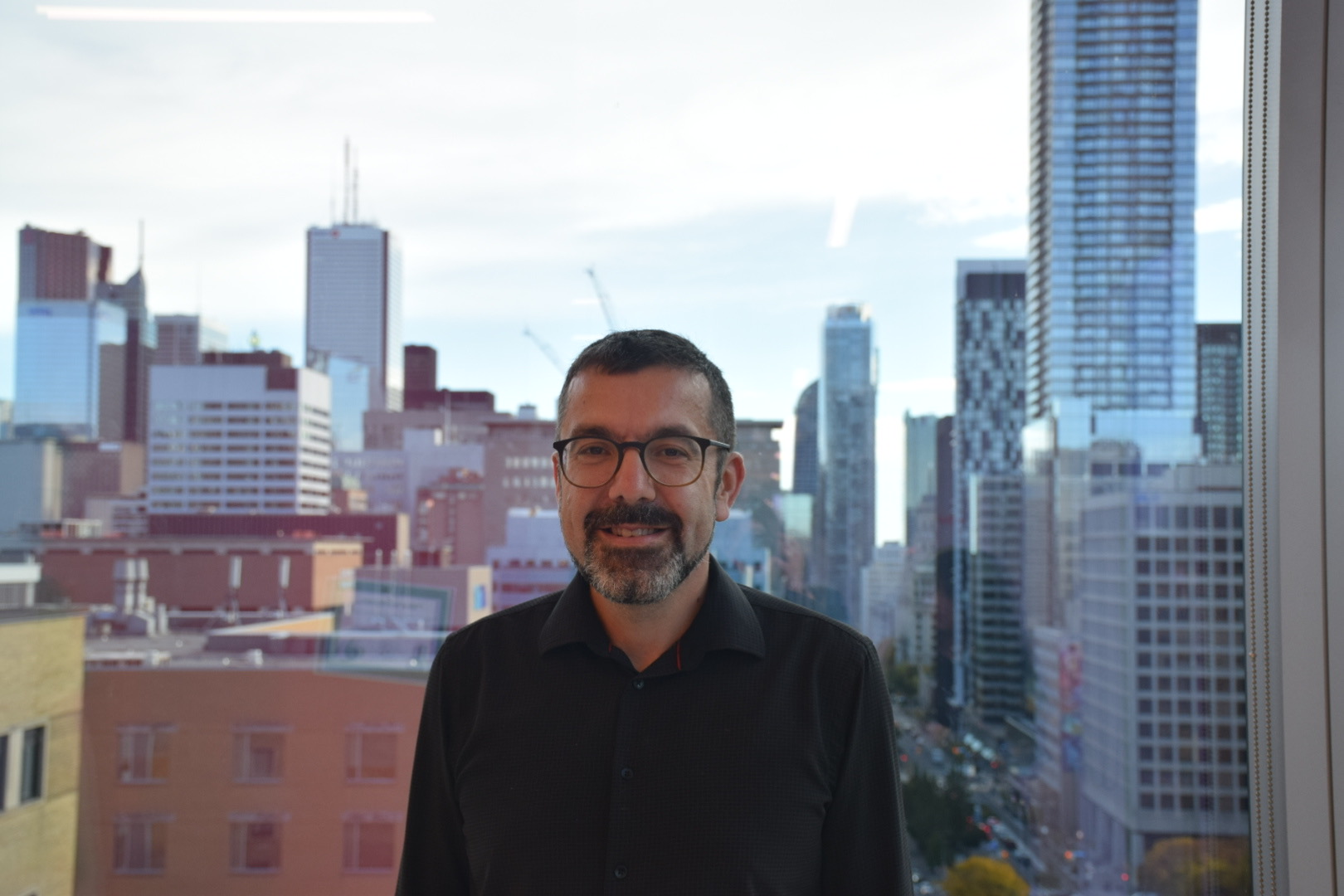
Principal Investigator: Dr. Costin Antonescu
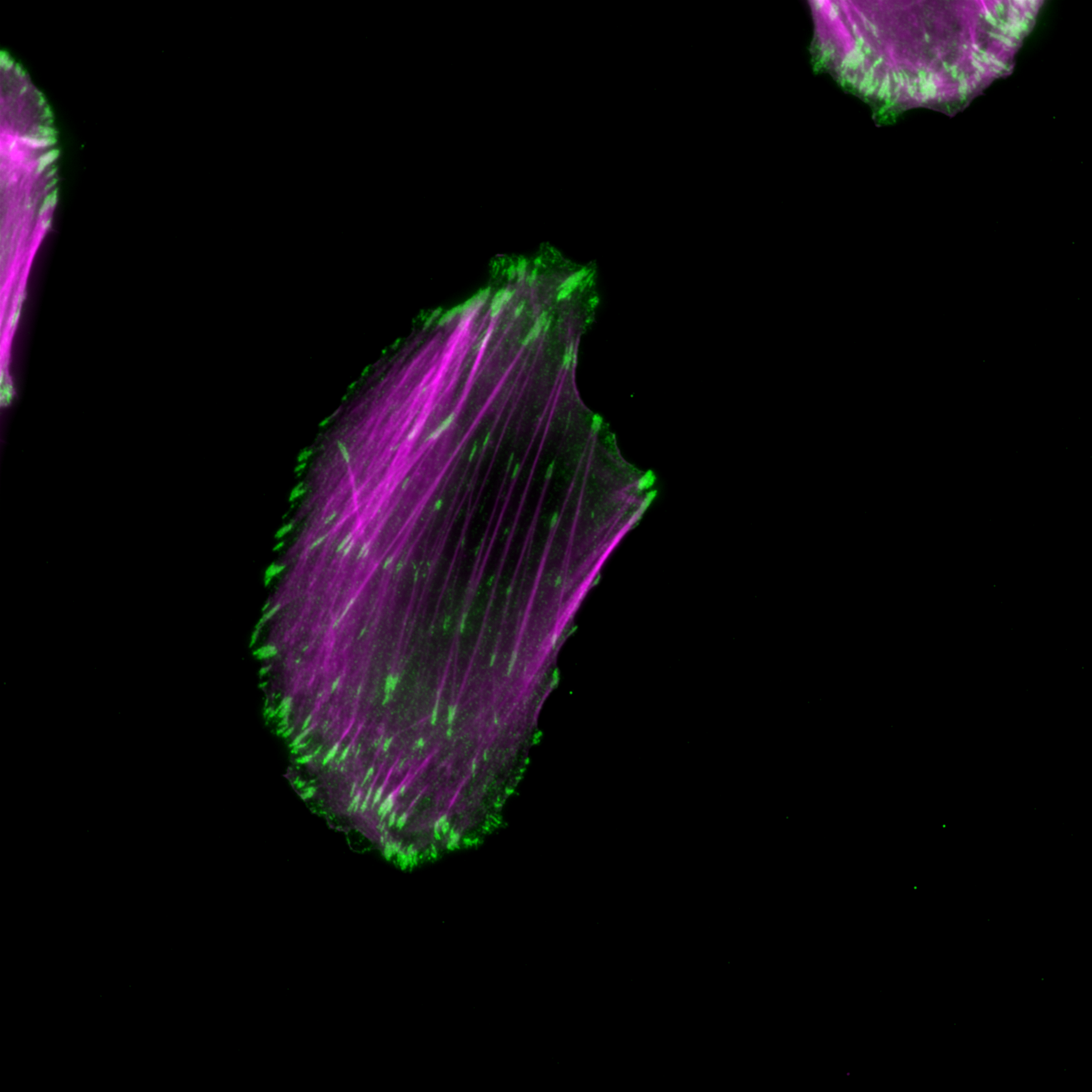
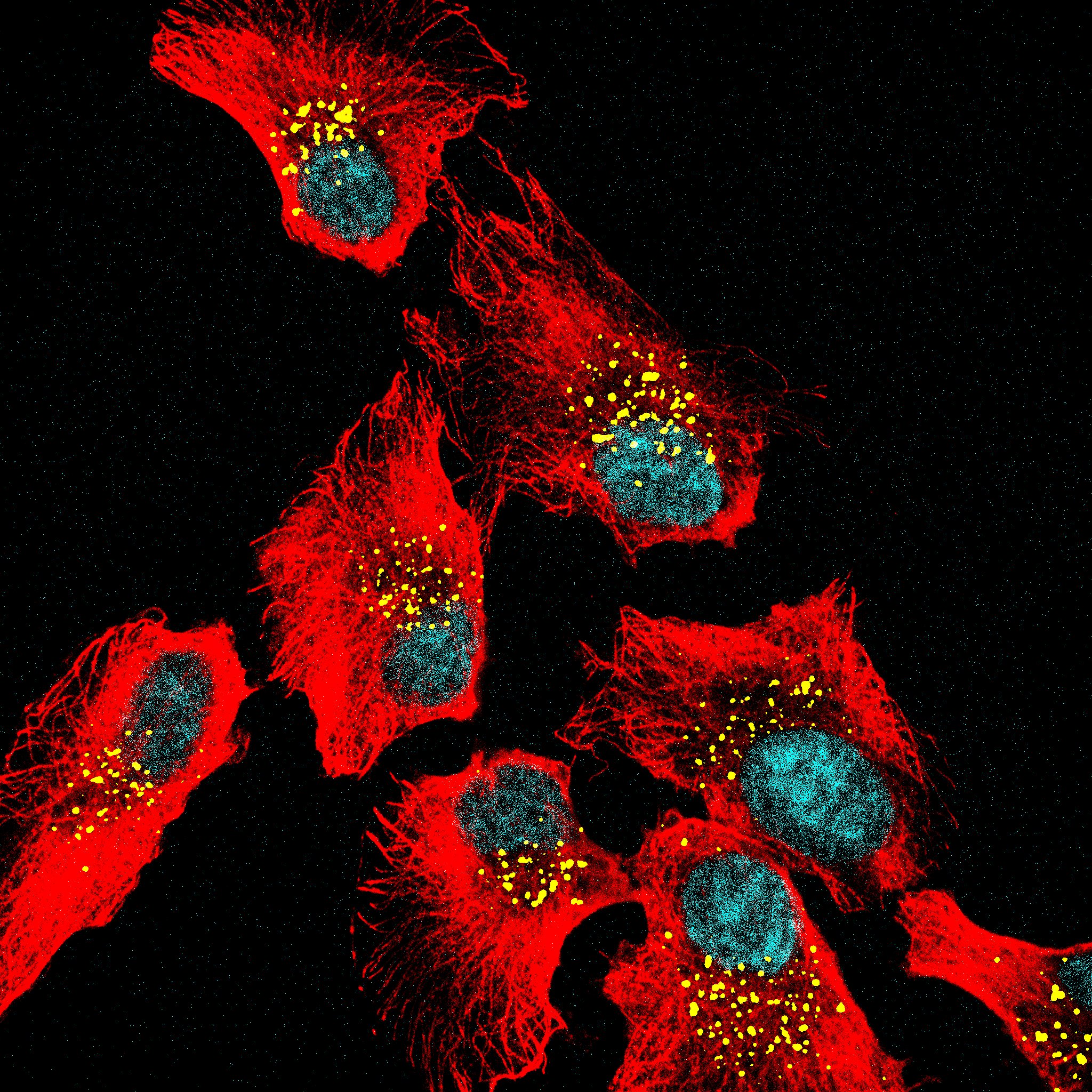
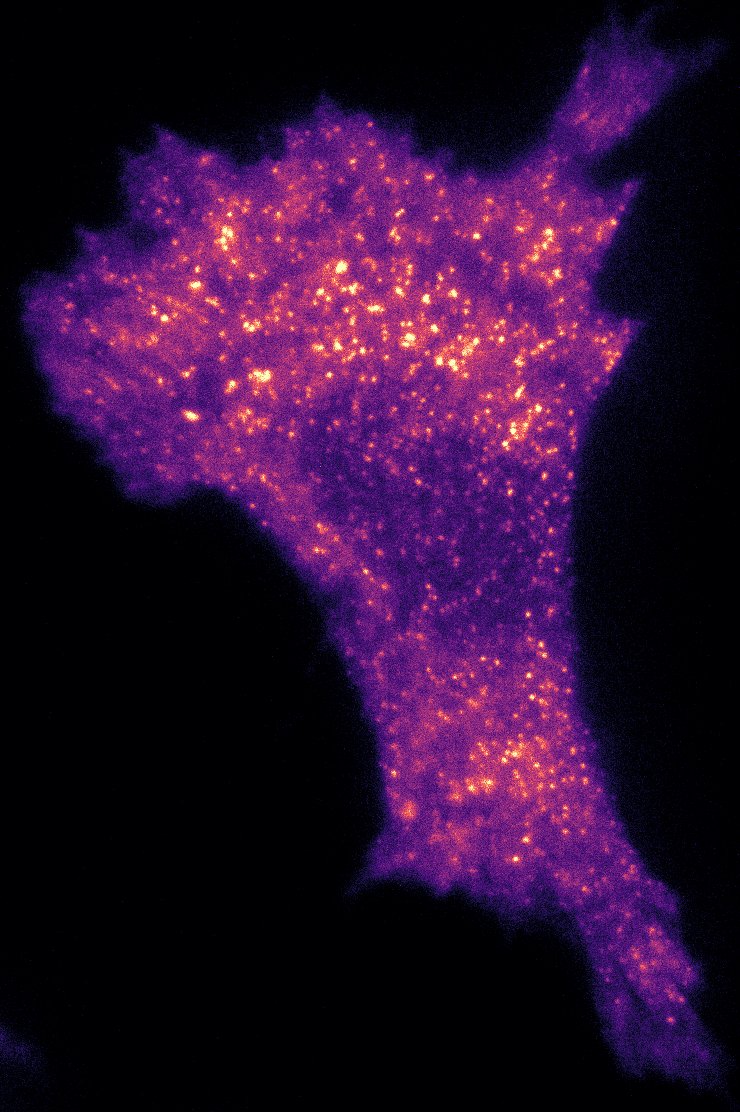
We are a cell biology laboratory interested in fundamental cellular processes that when disrupted contribute to cancer progression. We study a number of dynamic nanoscale molecular assemblies such as clathrin structures, receptor complexes, and lipid remodeling structures, which control signaling and membrane traffic. In turn, these regulate cell proliferation, growth and migration.
We study a number of dynamic nanoscale molecular assemblies such as clathrin structures, receptor complexes, and lipid remodeling structures, which control signaling and membrane traffic. In turn, these regulate cell proliferation, growth and migration.
We are interested in how these dynamic molecular assemblies are regulated by chemical, mechanical and metabolic cues, and how they can be therapeutically controlled for cancer treatment and targeted drug delivery.
Our lab investigates membrane biology and cell signaling through six interconnected research themes, combining quantitative microscopy, biochemistry, and chemical biology.
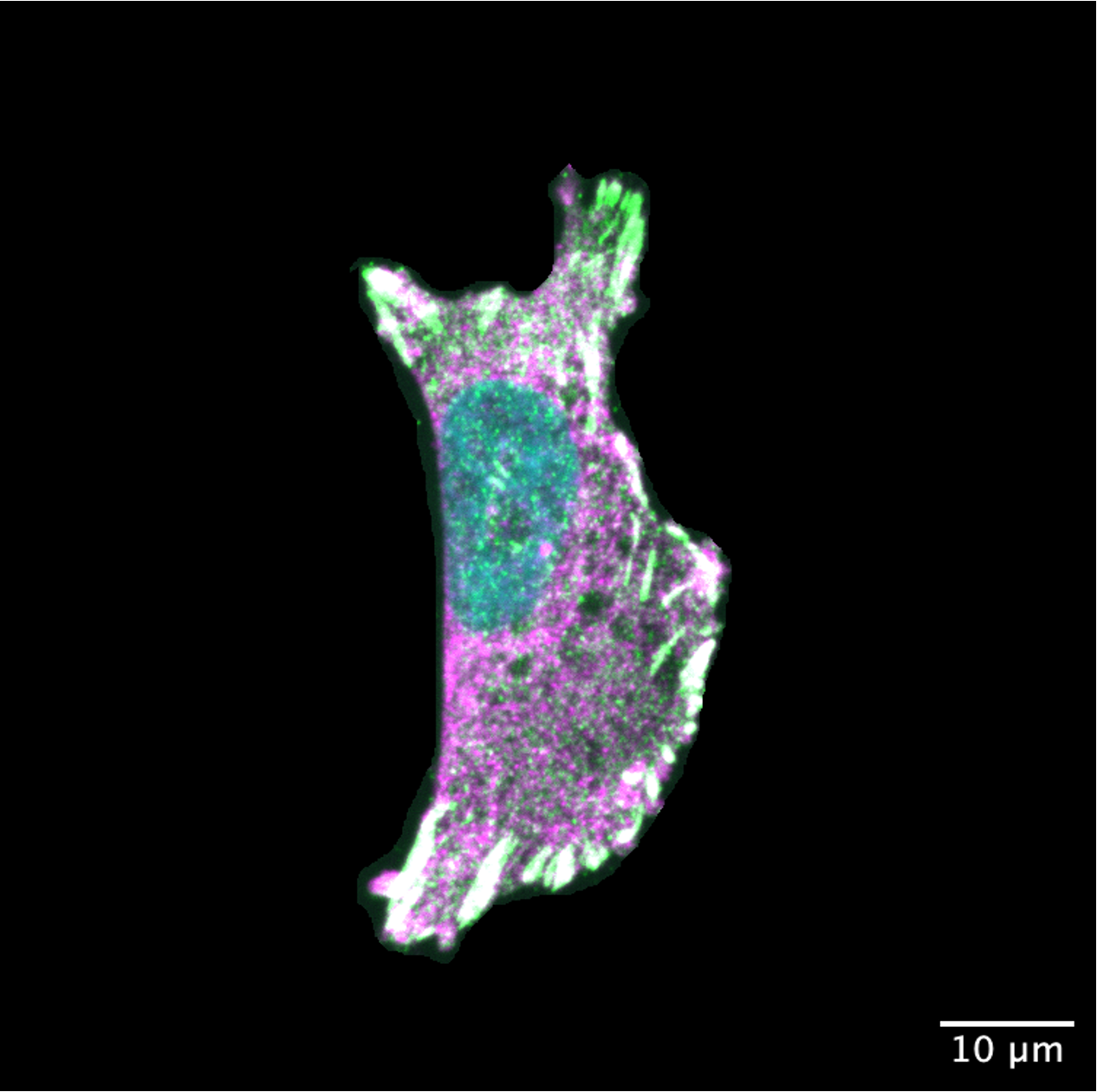
How EGFR and PI3K-Akt signaling are spatially organized at the plasma membrane, and how this nanoscale architecture controls breast cancer cell behaviour.
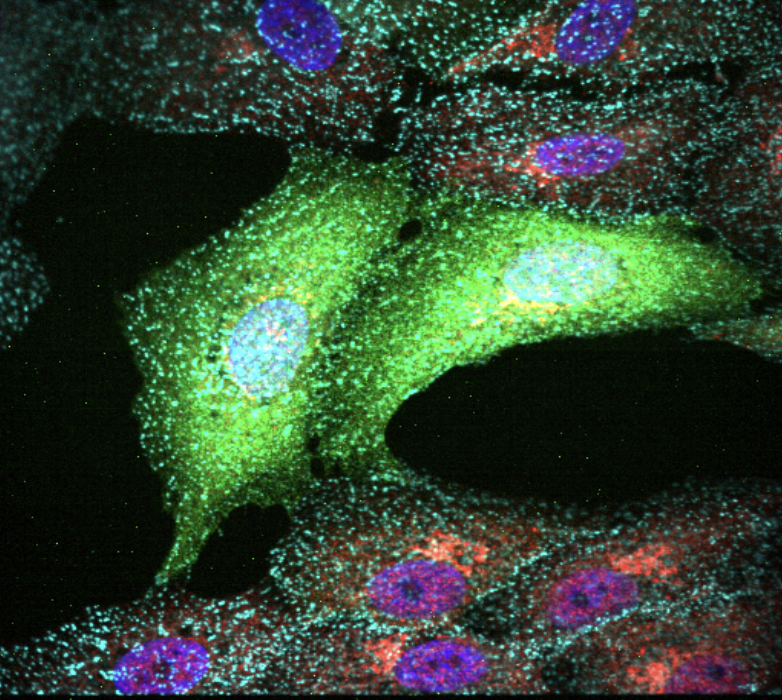
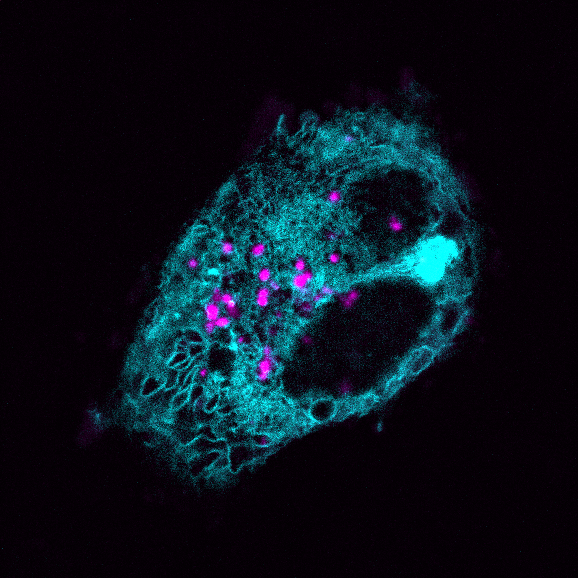
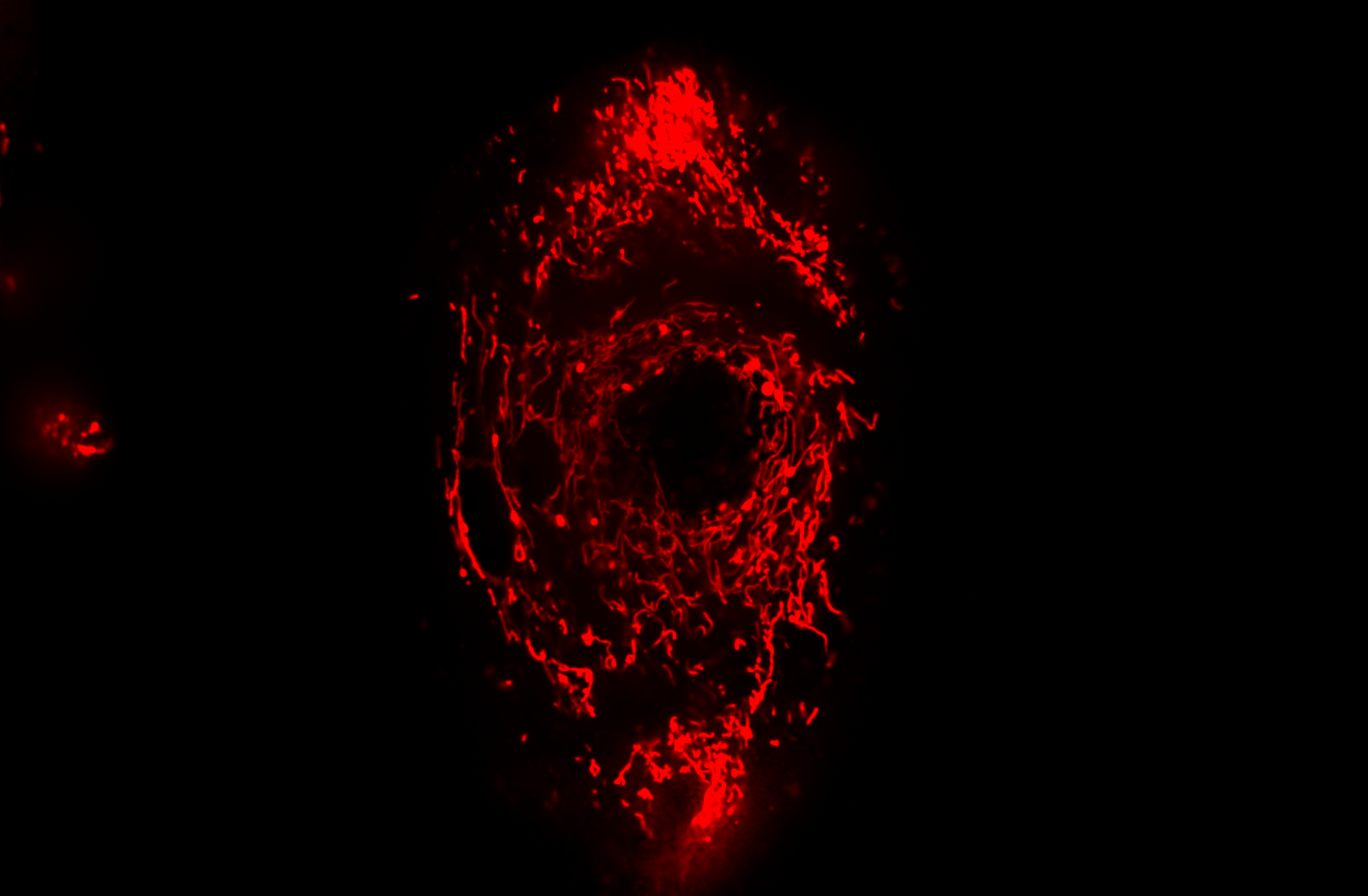
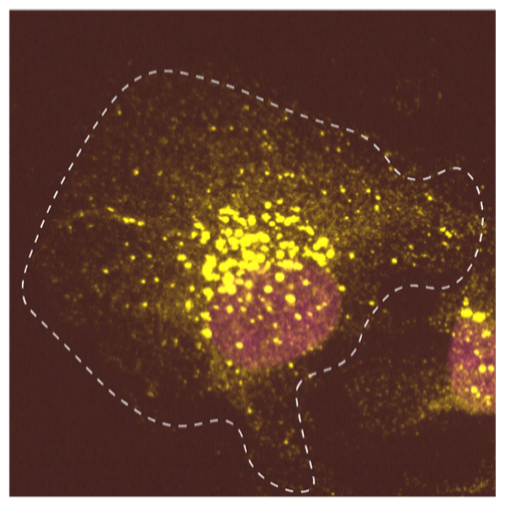
How nutrient signals via AMPK and mTORC1 regulate GSK3 localization, early endosome remodeling, and organelle dynamics in cells.
Using ultrasound and microbubbles (USMB) to achieve targeted cancer cell killing and selective delivery of chemotherapeutic agents.
Dissecting how metabolic signals, O-GlcNAc modification, and AMPK regulate clathrin-coated pit formation and cargo-selective internalization.
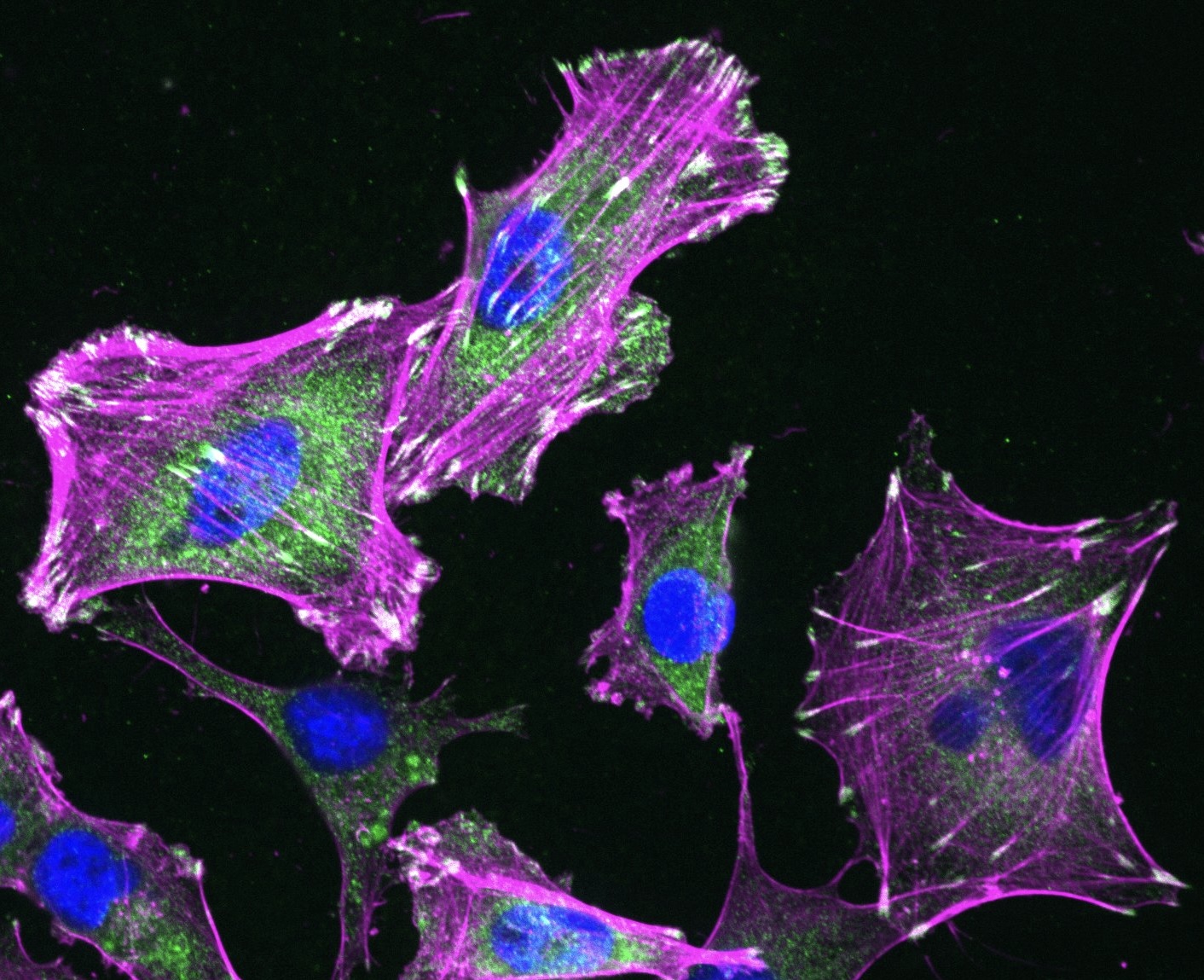
How the acyltransferase LCLAT1 controls the acyl chain profile of phosphoinositide lipids, and the consequences for membrane traffic and cancer cell physiology.
Engineering silver nanoparticle-based metal-enhanced fluorescence (MEF) approaches to boost fluorescent signal and reduce phototoxicity in cell imaging.
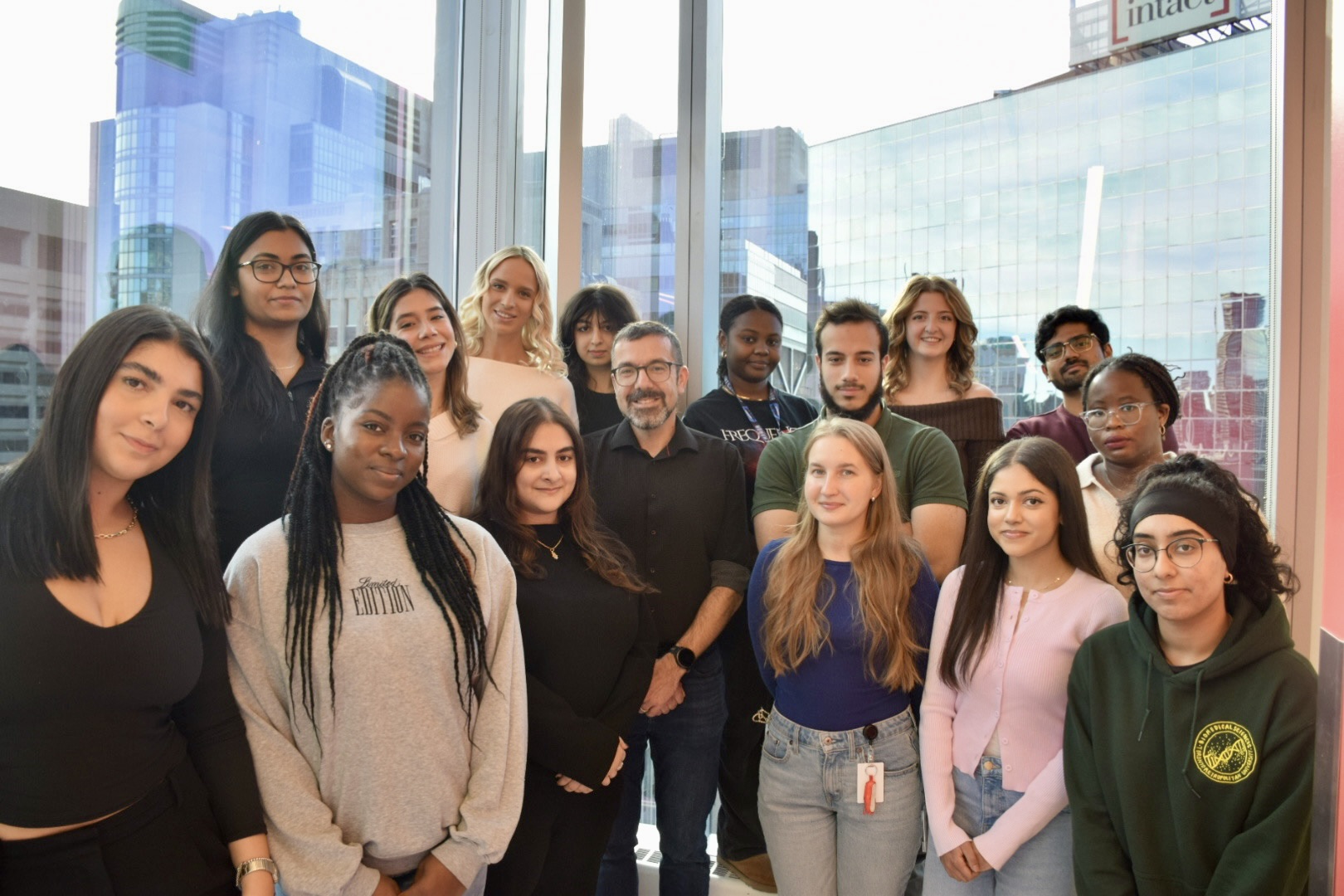
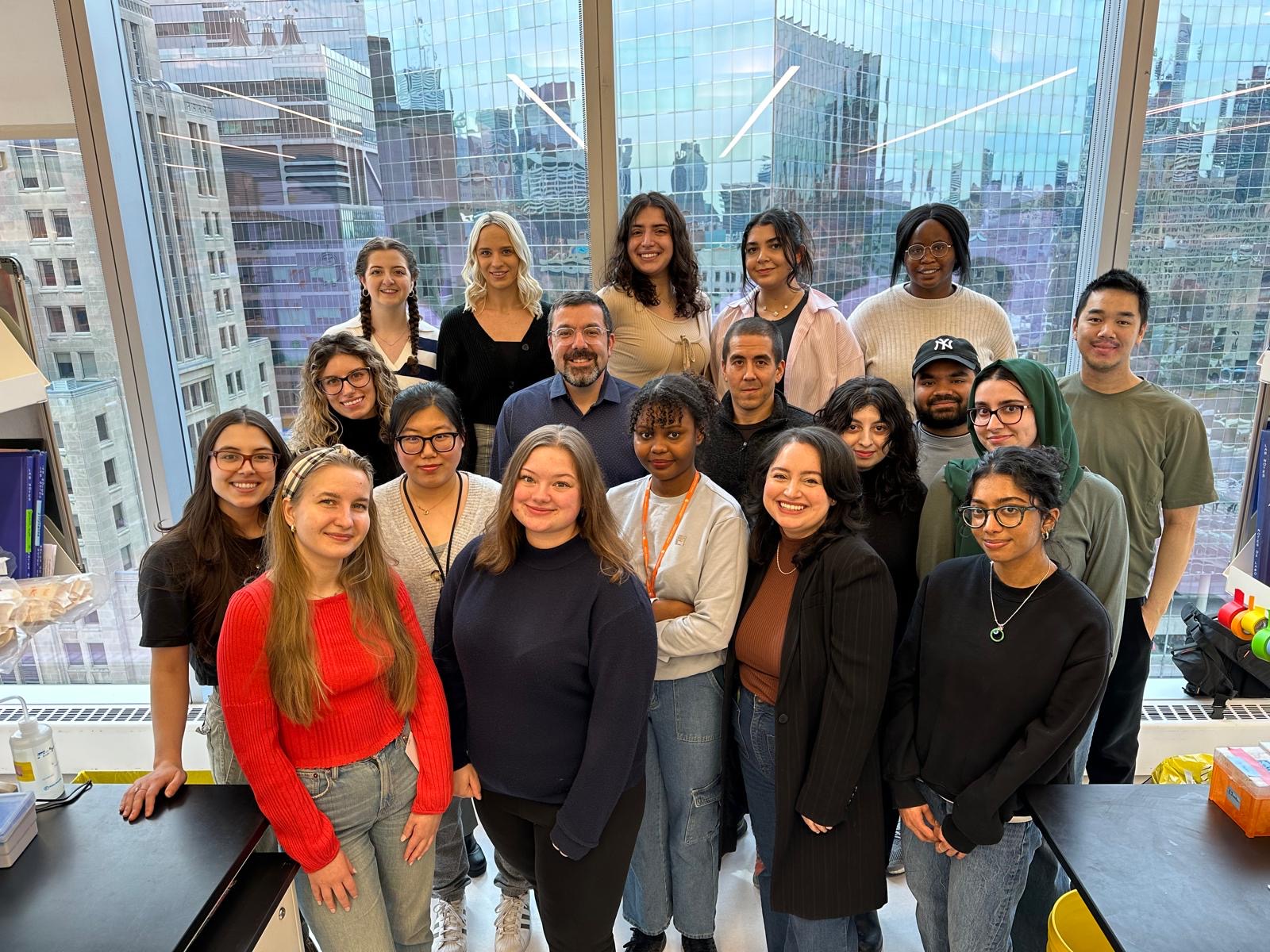
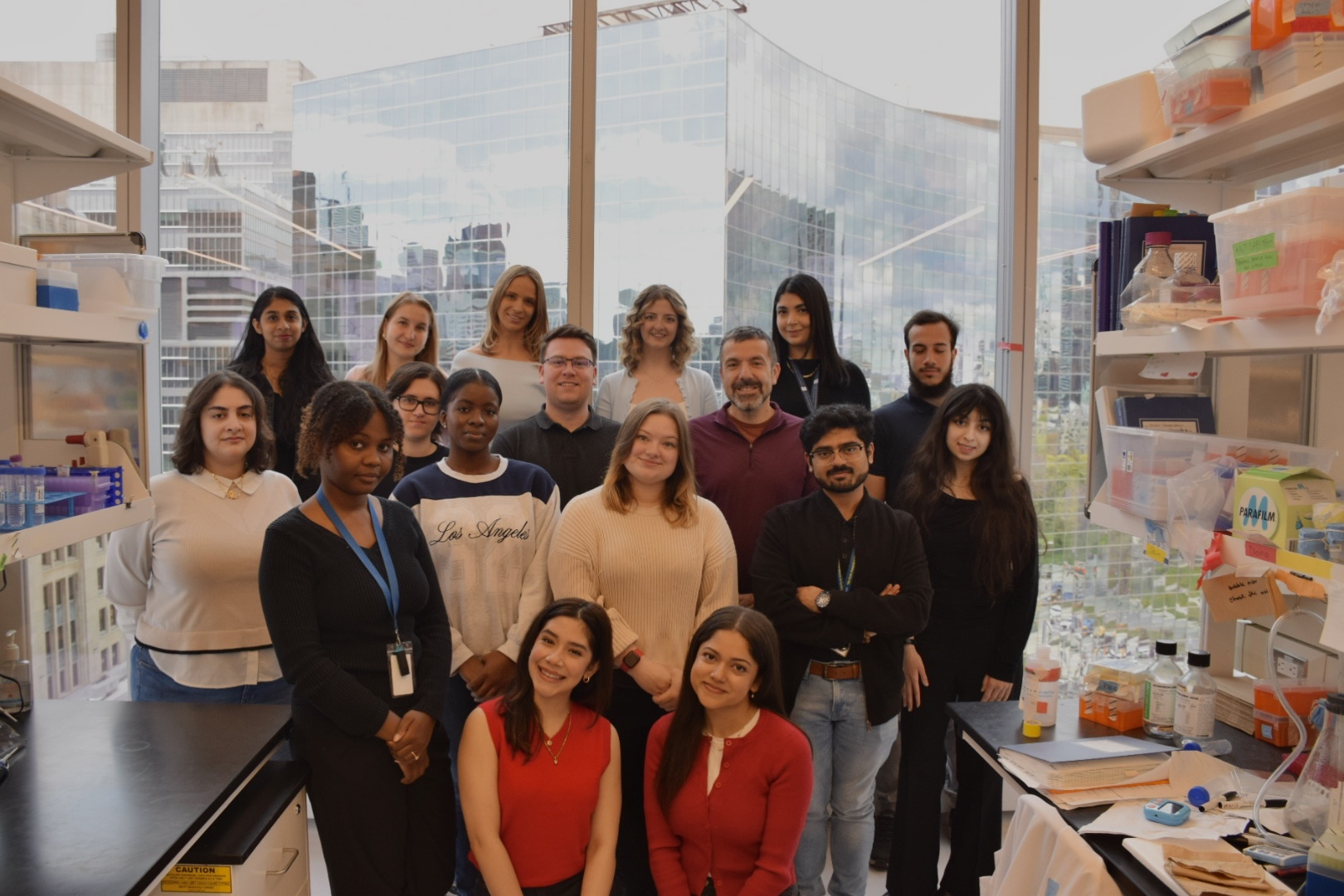
A diverse group of scientists united by curiosity, rigour, and a commitment to collaborative research.
Professor and Chair, Department of Chemistry & Biology · Toronto Metropolitan University
Dr. Antonescu received his PhD from the University of Toronto in 2008 and completed postdoctoral training at The Scripps Research Institute under the supervision of Dr. Sandra Schmid. He joined Toronto Metropolitan University in 2011. His lab studies dynamic nanoscale molecular assemblies that control cell signaling and membrane traffic, and how disruption of these processes contributes to cancer progression.
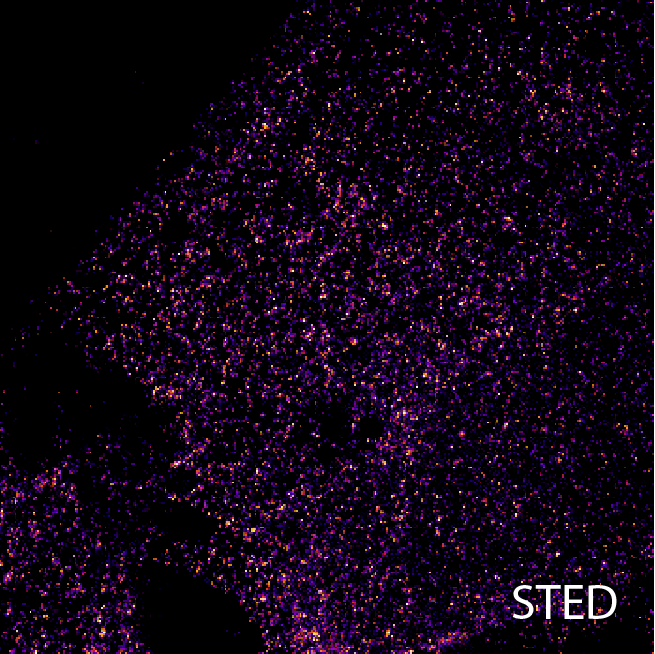
Nanoscale spatial organization of signaling proteins at the plasma membrane
LinkedInPhosphoinositide acyl chain remodeling in cell signaling dynamics
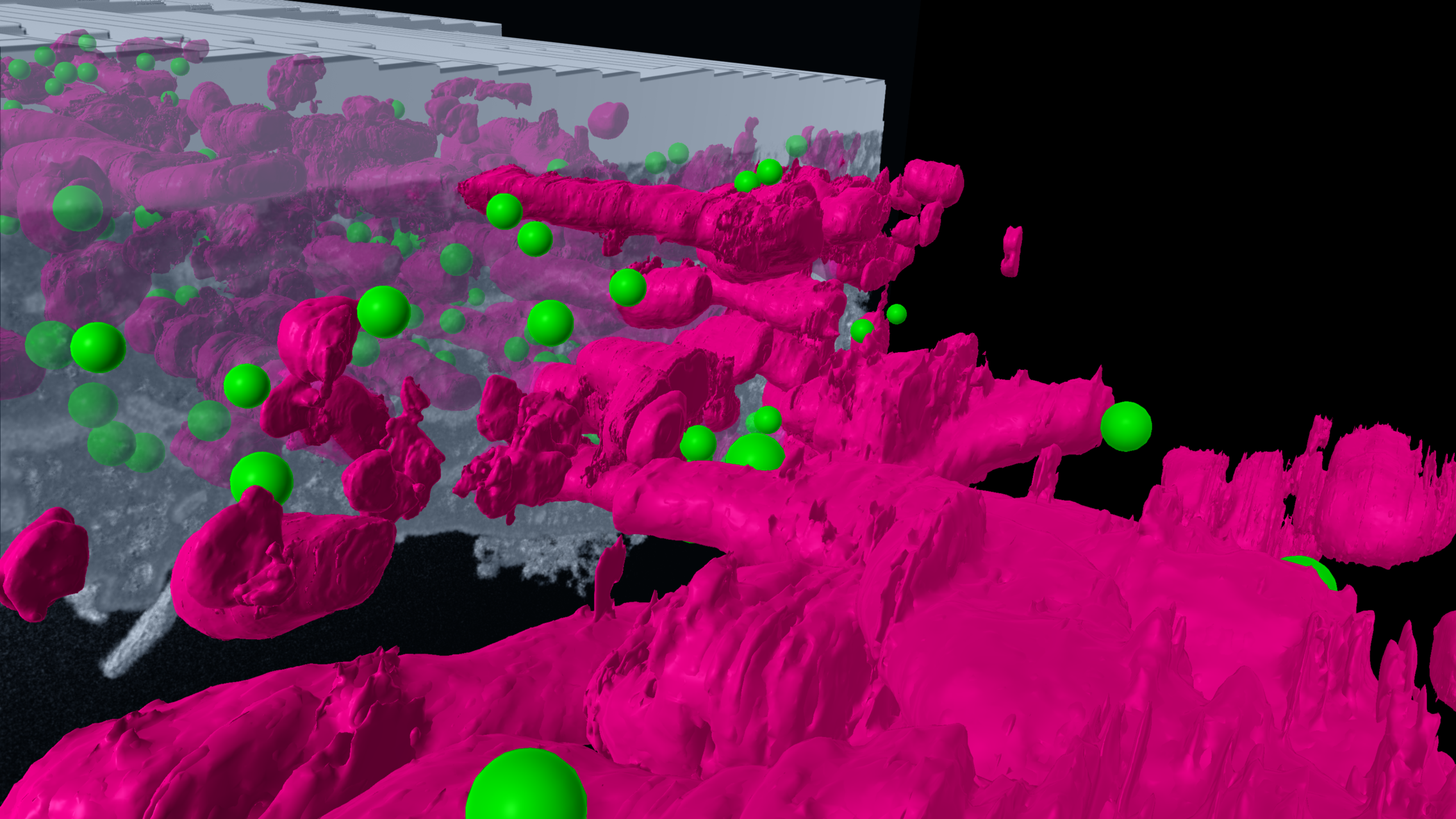
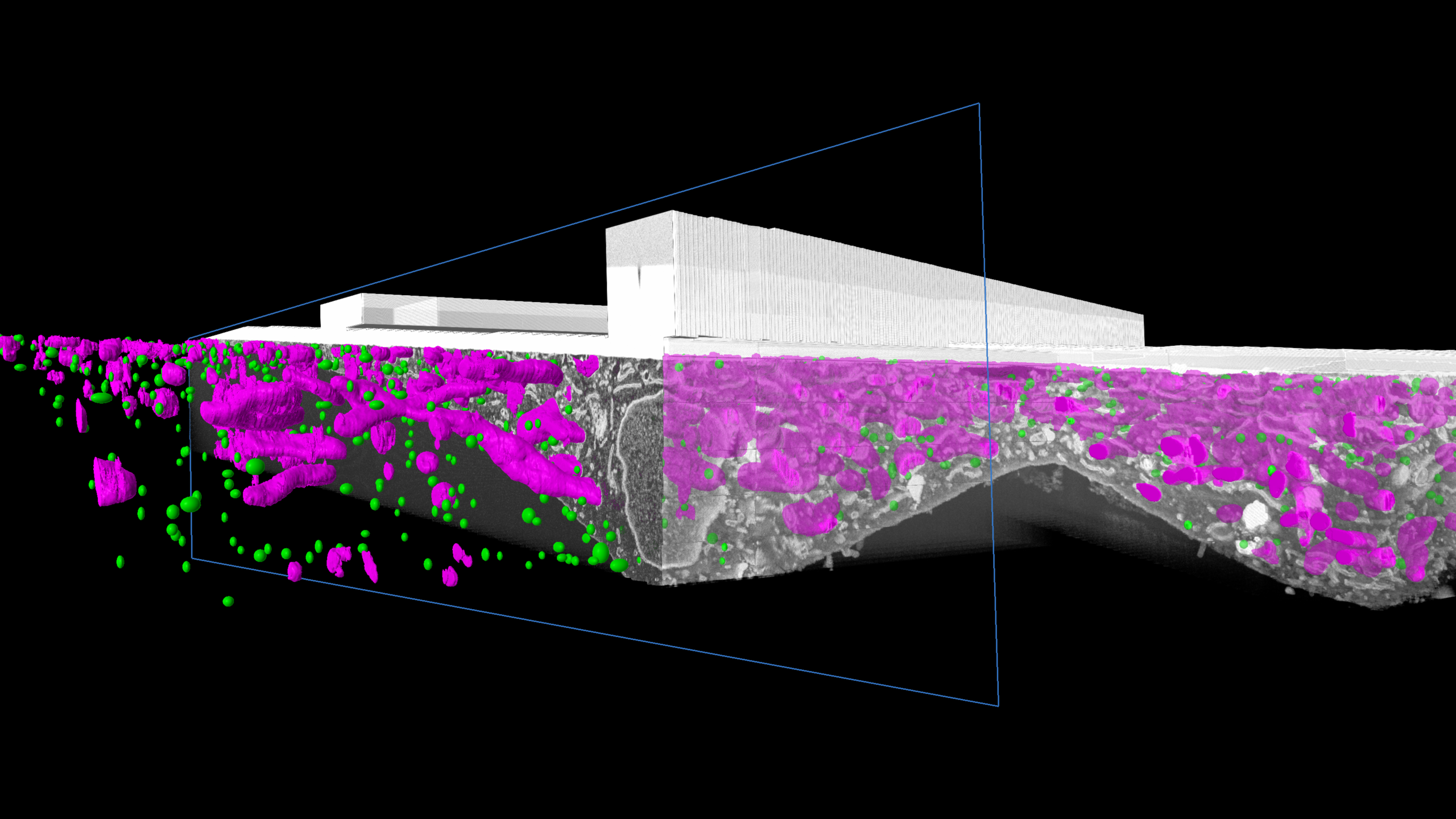
LinkedInOrganelle-Organelle Interactions under Metabolic Stress
LinkedInPhosphoinositide Acyl Composition in Cell Adhesion and Migration
LinkedInExploring LYCAT acyltransferase activity during epithelial-mesenchymal transition
LinkedInDurg Therapies Targeting The EGFR-Metabolism Axis In Cancer
LinkedInAlumni — We are proud of our lab alumni who have gone on to positions at leading institutions. A full alumni list is available upon request.
A selection of our recent work. For a complete list, see Google Scholar.
The latest from the lab — awards, new papers, presentations, and milestones.
Congratulations to PhD student Jayde Casimir Powell on receiving the Indigenous and Black Flourishing Fund from the Office of Social Innovation at TMU, supporting her science communication website SciScribes!
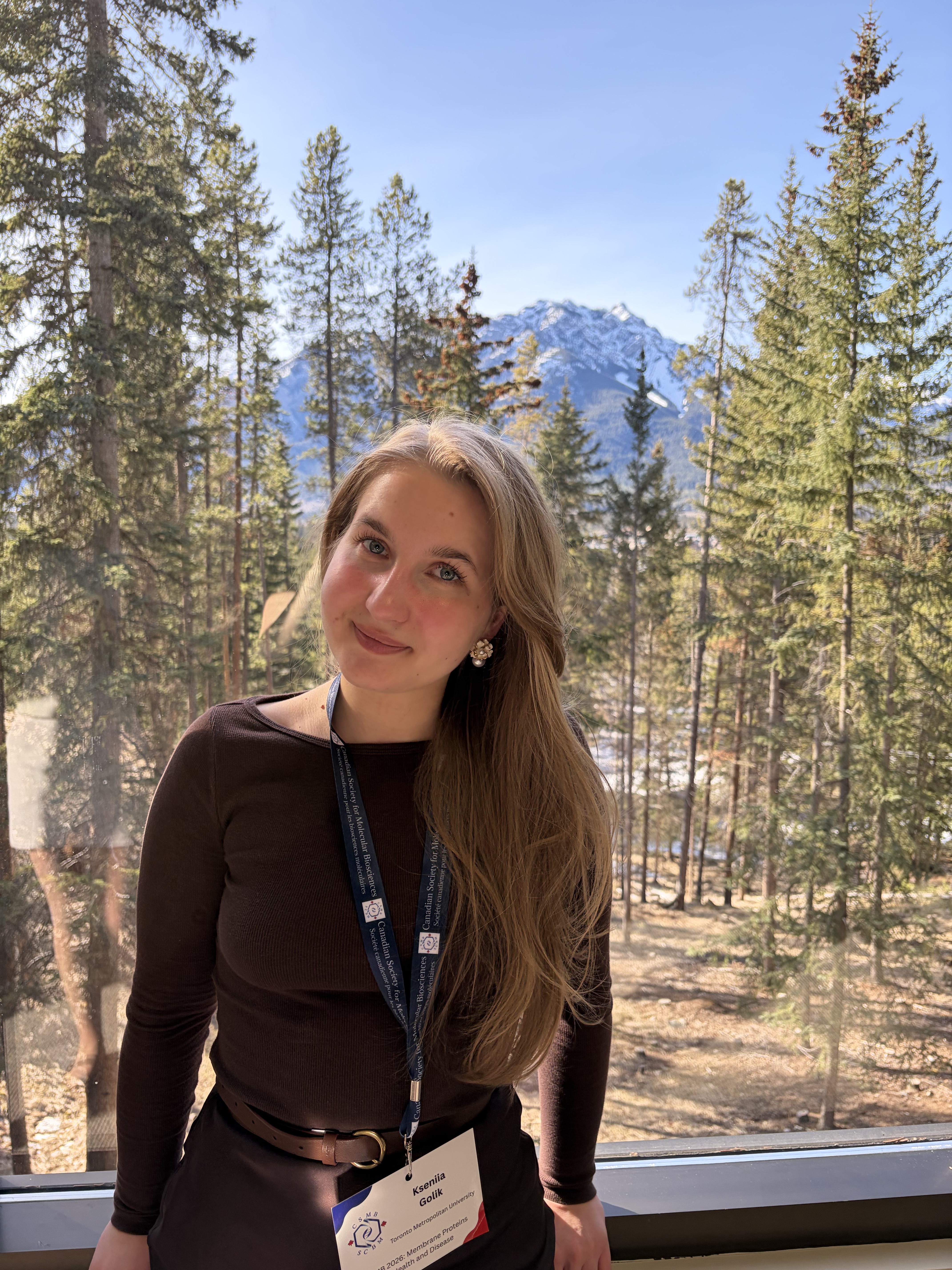
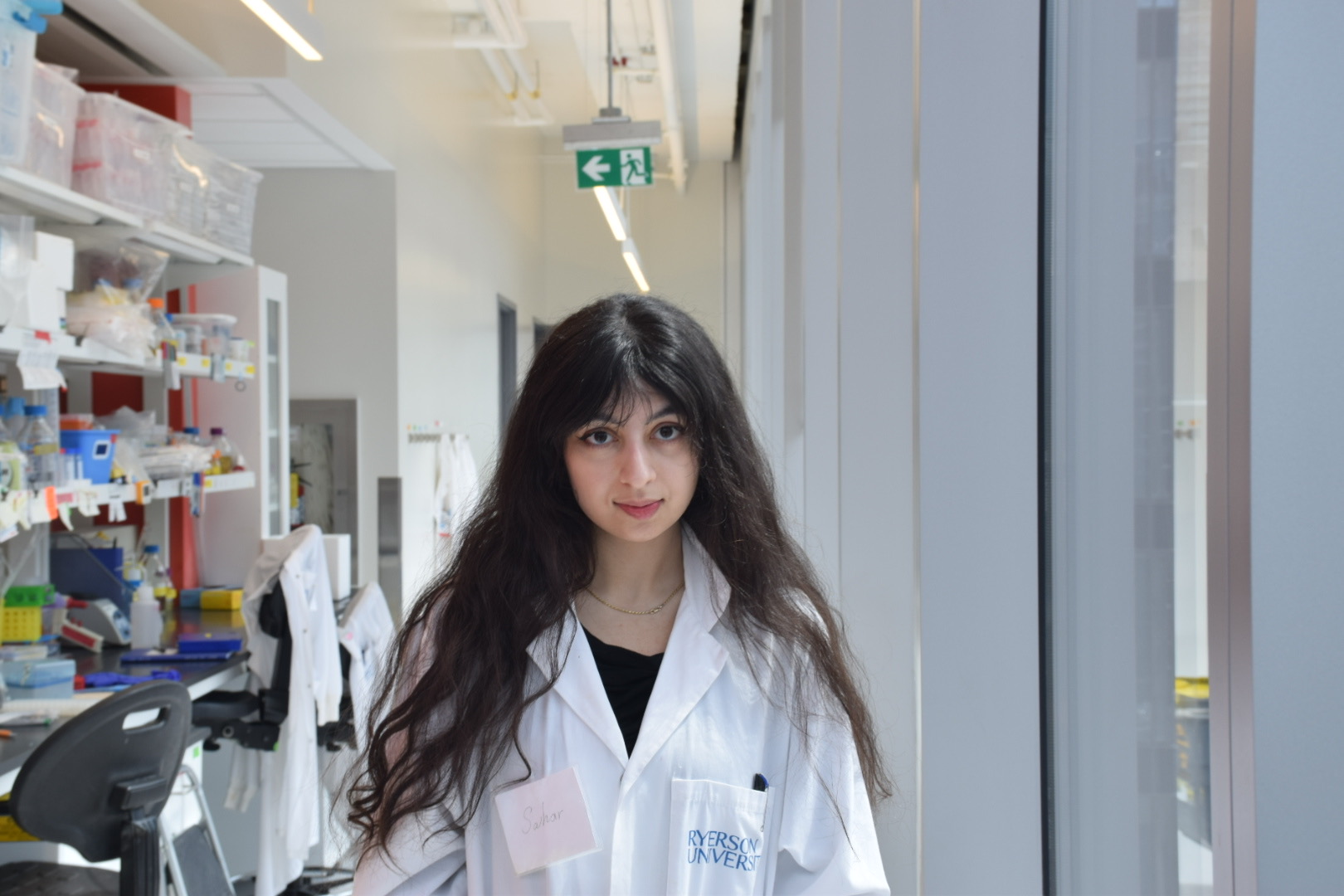
Congratulations to Ayshin Mehrabi, Sahar Kamil, and Kseniia Golik, who won poster prizes at the Canadian Society for Molecular Biosciences (CSMB) 2026 meeting on Membrane Proteins in Health and Disease.
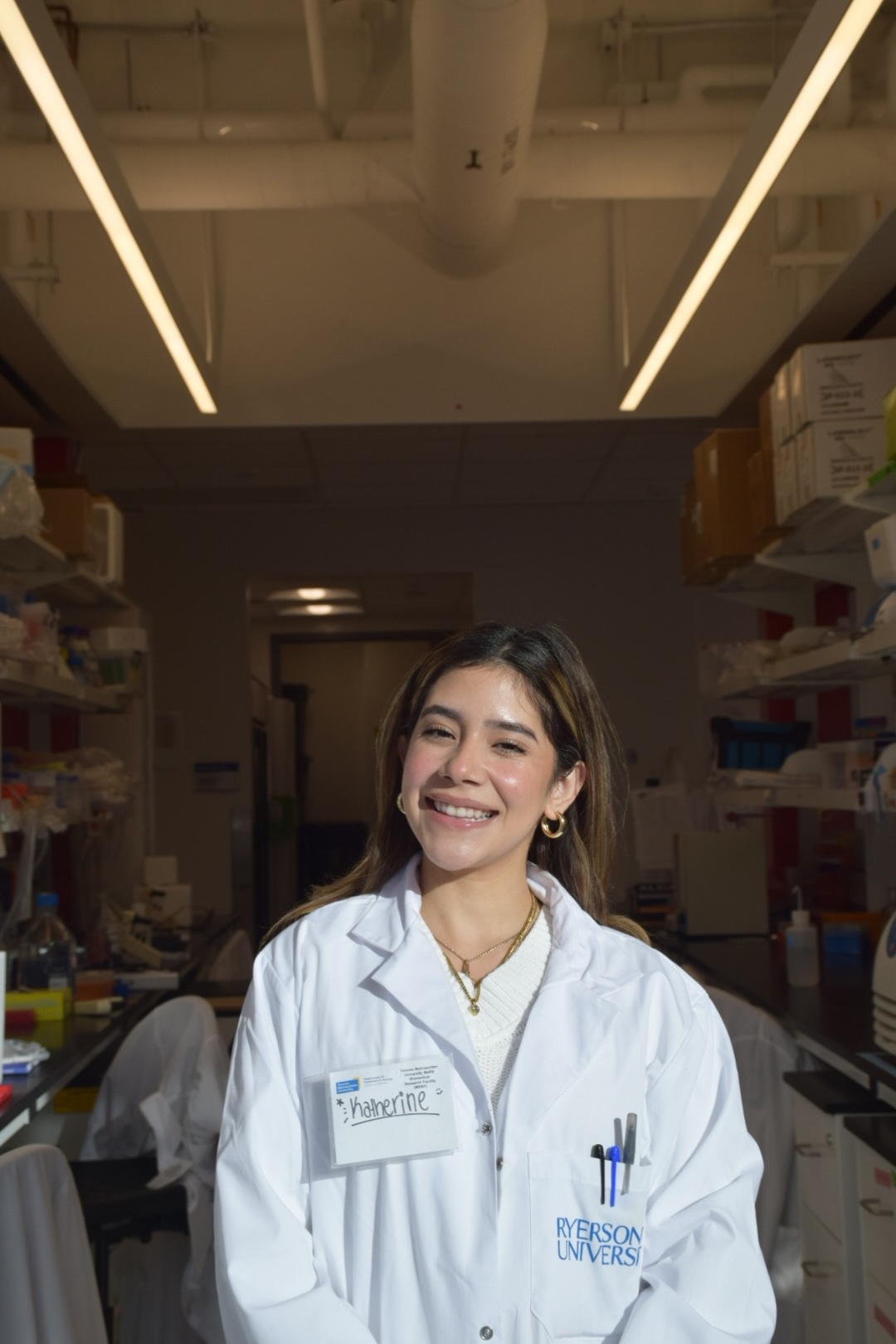
AwardCongratulations to undergraduate student Katherine Moncada Hernandez on winning Best Talk in Organelles and Intracellular Dynamics at Ontario Biology Day 2026!
Dr. Antonescu has been awarded a CIHR Project Grant to support research on spatial control of PI3K-Akt signaling within clathrin signalosomes — part of over $4.8M secured by TMU researchers.
Read more → FundingCongratulations to PhD student Eleanor Cloves on receiving the NINDS Scholarship Award at the Keystone Symposia!
Our study on cargo-selective regulation of clathrin-mediated endocytosis by AMPK is now available. The work reveals how nutrient signals reshape the composition of clathrin-coated pits to selectively control cell surface proteins.
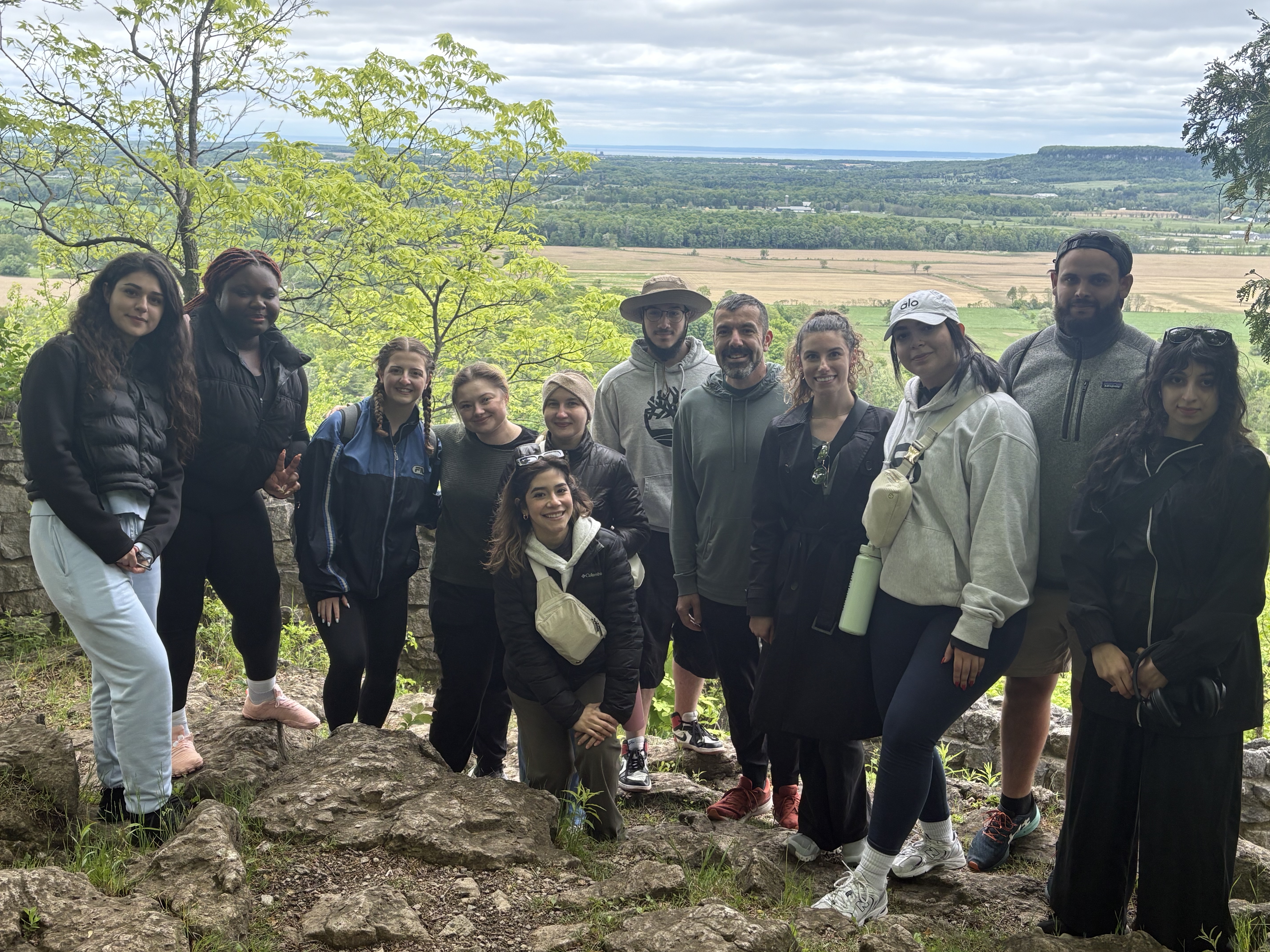
Read the paper → PublicationA glimpse into our lab — conferences, celebrations, and everyday science.
We are committed to creating a respectful, inclusive, and scientifically rigorous environment where every member can thrive.
We treat all members with dignity regardless of background, identity, or experience level. Discrimination, harassment, and exclusion are not tolerated.
We conduct and report research honestly and transparently. Fabrication, falsification, and plagiarism violate our shared values and institutional policy.
We share knowledge generously, give credit fairly, and communicate openly. We value collaboration over competition.
We respect that lab members are whole people. We support mental health, reasonable working hours, and time outside the lab.
We invest in each member's scientific and personal development. Constructive feedback and career guidance are part of everyday lab culture.
Anyone who experiences or witnesses misconduct is encouraged to speak with the PI or use institutional reporting channels.
We are always interested in connecting with motivated researchers at all career stages.